How to Bloom Spices in Oil Without Burning Them
- How do you bloom spices without burning them?
- What should you measure before heating?
- Which fat should you choose?
- Which spices go into the pan first?
- How long should ground spices bloom?
- What is a normal stopping point?
- What if the oil smokes, splatters or catches fire?
- How does the small cumin example work?
- What can a disappointing batch tell you?
- Where does the bloom fit into dinner?
- Sources
How do you bloom spices without burning them?
Bloom spices by heating them briefly in oil or ghee, following the recipe's addition order and watching their aroma, sizzling and color. Have the next ingredient ready before starting. Whole seeds and ground powders need different treatment. Our small cumin example uses 1 tablespoon fat and 1/2 teaspoon seeds, not a universal ratio. If oil smokes, turn off the heat and leave it to cool. Never add water or another ingredient to rescue smoking oil.
Blooming carries spice flavor through the fat and into the dish. Sequences vary by region, household and recipe. This guide explains the short blooming stage; the broader tadka guide covers building a cooking base or planning a finishing temper.
What should you measure before heating?
Keep the whole spices, powders and subsequent additions separate. Prepare the next ingredient first so you will not need to fetch or chop it while fat is heating.
For a modest pot serving four, this guide's starting scale remains 1 to 2 tablespoons oil or ghee and 1 teaspoon total whole spices. This is an editorial starting point, not a tested yield or permission to replace a recipe's measured allocation. The cumin example below is a smaller seasoning batch.
Choose a small, heavy pan that sits securely on your burner. Follow its manufacturer's cooktop and utensil instructions. Keep a suitable dry stirring utensil and dry heat protection ready. If handling a pan of hot fat is unfamiliar, learn that step with a qualified cooking instructor rather than improvising a transfer.
Check every ingredient for the diners' allergies, including spice blends, the fat and the receiving food. Avoid known allergens and prevent cross-contact. The FDA's allergy guidance explains ingredient and allergen declarations. Ghee is not an automatic milk-allergy substitute.
Which fat should you choose?
Ghee adds richness; neutral oils are less assertive, while coconut and mustard oils have distinct flavors. Use a cooking product appropriate to the actual recipe, not whichever bottle has a familiar ingredient name.
Mustard oil needs a specific qualification. The FDA's April 2026 import alert distinguishes expressed mustard oil from essential mustard oil used as a flavoring. They are not interchangeable cooking products. Do not cook with oil labeled for external or topical use. For this guide's example, use ordinary food-grade neutral cooking oil or suitable ghee.
Butter contains milk solids that brown during heating. King Arthur Baking's explanation identifies those darkening solids. Plain butter therefore needs gentler heat and closer attention than a casual swap suggests. Do not adopt a brown-butter cooking endpoint for spices.
Use fresh, sound fat. A smoke-point chart is not a precise setting for every brand, refining method or previously heated oil. Deliberately heating fat until it smokes is not this method.
Which spices go into the pan first?
The table is a reading guide, not a compulsory lineup. Follow the recipe's actual sequence.
| Ingredient | Typical stage | Cue to watch |
|---|---|---|
| Cinnamon, cloves, cardamom | Early whole-spice stage | Recognizable fragrance, not blackening |
| Cumin or mustard seeds | Warm fat | Sizzling; cumin deepens slightly, mustard may pop |
| Garlic, ginger, curry leaves | Depends on the recipe | Fragrance without scorched edges |
| Ground turmeric, chile, coriander or blends | Lower heat or a moist aromatic base, as specified | Stir continuously and make the scheduled addition before acrid darkening |
| Delicate finishing spices | Off heat or as directed | Fresh aroma rather than extended frying |
Ground spices expose more surface area than whole seeds and cook faster, as Nik Sharma's tempering explanation explains. Our table, stopping cues and small practice example are editorial guidance, not his recipe. Powders are not timed substitutes for whole seeds.
Wash fresh leaves appropriately and pat their surfaces dry. They still contain internal moisture and can splatter in hot fat. Keep face and bare arms clear. A lid belongs nearby when seeds pop. Do not add dripping ingredients or use wet utensils.
How long should ground spices bloom?
Oregon State University Extension's Spices of India guide, page 9, describes one to two minutes in a little ghee or oil before liquid enters. When a recipe includes sautéed onions or other aromatics, it places the ground spices near the end of that stage.
That reference is not a mandatory waiting period. A small pinch of chile in exposed hot fat may need much less time. Keep the source's context: a general explanation of blooming ground spices is not a promise about every powder, pan and batch.
A different, concrete context appears in Hari Ghotra's moong masoor di dhal. Its masala allocates 1 tablespoon ghee, butter or oil and 1 teaspoon cumin seeds. Onion and garlic follow the whole-spice stage. After they lightly brown, she reduces the heat and adds tomatoes, ginger, turmeric and chopped chilli, cooking that mixture into a thick paste.
The turmeric there enters with tomatoes, not alone in an empty oil stage. Keep her complete recipe for that dish. Do not transfer its subsequent cooking time to a pinch of powder in fat.
What is a normal stopping point?
Warm the fat over medium heat for the small example below. Test with one cumin or mustard seed. Once it sizzles actively, add the measured whole spices and stir, or gently swirl only if you can control the cookware securely.
Watch for a slight color change and rounded, recognizable aroma alongside the sizzling. Do not lean over the pan to smell it.
During ordinary, controlled cooking, there are three distinct transitions:
- Add the recipe's prepared moist ingredient at its specified stage.
- Remove the pan from the burner to a prepared, stable heat-resistant position when the method calls for off-heat seasoning.
- Complete the finishing temper and carefully combine it with the prepared dish.
These are recipe transitions, never emergency responses. Residual heat continues cooking after removal. Do not carry hot fat across the room, and do not add food or liquid to smoking oil.
What if the oil smokes, splatters or catches fire?
Stay beside the stove and switch off the burner if you must leave. Keep combustible objects clear and handles positioned so they cannot be knocked. These precautions follow the U.S. Fire Administration's cooking guidance.
If oil smokes, switch off the heat if safe and leave it to cool. The London Fire Brigade's hot-oil guidance gives that instruction. Do not add spices, a moist ingredient or water. For splattering without smoke or fire, step back, reduce the heat only if safely reachable, and wait. Do not carry the pan.
For a pan fire, do not move the pan or use water. The USFA's Cook Safely flyer instructs sliding a lid or baking sheet over the pan, switching off the burner and keeping it covered until cool. Attempt that only if safe. If there is any doubt, get everyone outside, call the local fire service from outside and stay out.
How does the small cumin example work?
This is an editorial technique example, not a claimed cooking test. Have prepared plain lentils or vegetables ready in stable, heat-resistant cookware near the stove.
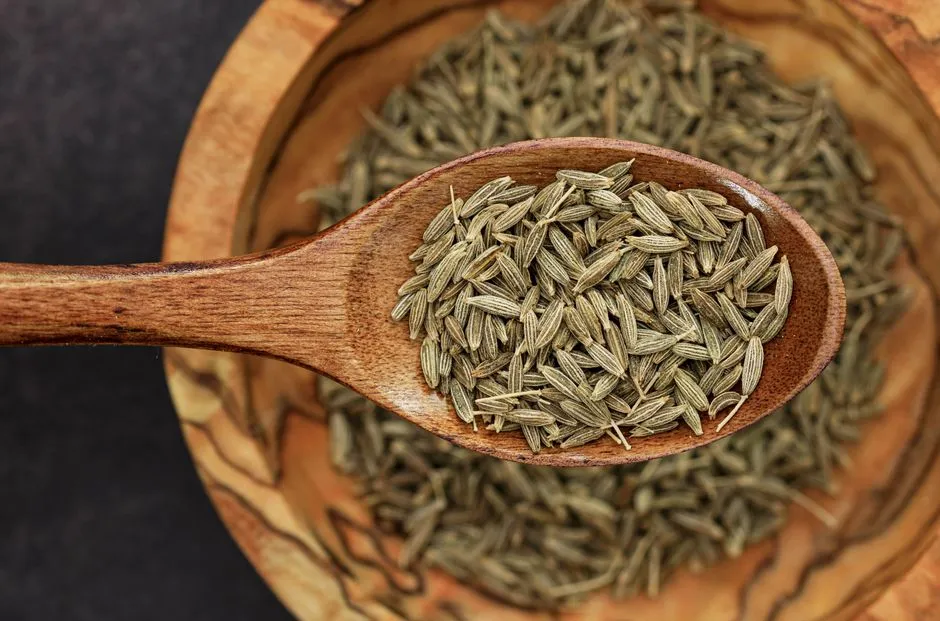
Use 1 tablespoon neutral oil or ghee over medium heat. After one test cumin seed sizzles, add 1/2 teaspoon cumin seeds. Stir for roughly 20 to 40 seconds, watching for a slightly darker shade and nutty aroma. That window is not a minimum: stop earlier if the intended cues arrive.
Remove the normally cooking pan from the heat. Add a small pinch of ground turmeric, stir for a few seconds, then immediately combine with the prepared food, keeping skin clear of splashes. This sequence does not apply to smoking fat or blackened spices.
Burner strength, pan thickness, spice age and batch size affect how the example develops. Keep aroma, sizzling and color together in your assessment; none makes an unsafe pan safe.
What can a disappointing batch tell you?
After the equipment has cooled, review the sequence rather than automatically adding more seasoning.
| Observation | Useful distinction for the next attempt |
|---|---|
| Spices blackened before the next ingredient was ready | Preparation delay and excessive heat exposure may both matter |
| Whole seeds were acceptable but powder scorched | Recheck the powder's separate heat and addition instructions |
| Dark particles continued developing after removal | Leaving the spices in hot fat did not instantly end cooking |
| Flavor was weak without visible scorching | Check ingredient freshness and the recipe's allocation before extending frying |
Blackening and acrid smells can result from excessive heat or excessive time, not only a burner set too high. Discard a scorched batch after it cools, clean the pan and start again. More seasoning cannot reverse burning. Naturally bitter ingredients and stale spices can also affect flavor, so bitterness alone does not identify one cause.
For a fresh attempt, consider lower heat, a heavier suitable pan, enough specified fat to coat the spices, smaller recipe quantities and a fully prepared next ingredient. Do not make those adjustments in an overheated pan.
Where does the bloom fit into dinner?
Whole spices can precede the aromatic base. A finishing temper instead seasons cooked lentils, vegetables, rice or yogurt-based dishes. One familiar sequence is cumin first, garlic next and chile last; it is not the only sequence. Hot fat meeting moist food can splatter.
Choose the complete dish through the weeknight recipes collection, then keep its cooking and storage instructions separate from this flavor step.
A quick bloom is not sterilization. The FDA's spice-safety guidance explains that pathogen reduction depends on cooking time and temperature. Continue normal clean, separate, cook and chill practices. Seasoning does not establish that the rest of the meal is safely cooked or stored.
Sources
- Oregon State University Extension: Spices of India, page 9.
- Nik Sharma: tempering technique.
- Hari Ghotra: moong masoor di dhal.
- King Arthur Baking: butter's browning milk solids.
- USFA: cooking fire prevention.
- USFA: Cook Safely flyer.
- London Fire Brigade: hot-oil precautions.
- FDA: spice safety.
- FDA: food allergies.
- FDA: expressed mustard oil import alert.