Red Lentil Dal: A Reliable Weeknight Method
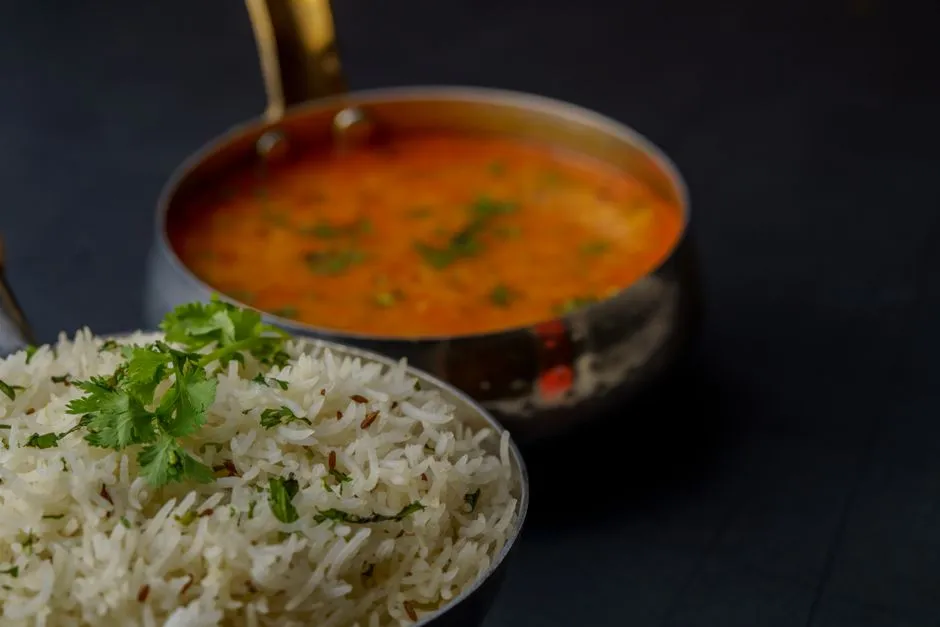
This dal is built for an ordinary Tuesday
This is a streamlined home recipe for creamy red lentil dal, not a claim to represent every masoor dal tradition. Indian lentil dishes vary enormously in seasoning, texture, and finishing. Here, split red lentils cook until soft, an onion-tomato base supplies body, and a small cumin-garlic temper adds the final aromatic lift.
The quantities make four moderate servings with rice or flatbread. The pot is forgiving, but it is not psychic, so taste before serving.
Ingredients
For the lentils:
- 1 cup split red lentils, picked over and rinsed
- 3 cups water, plus more hot water as needed
- 1/2 teaspoon ground turmeric
- 3/4 teaspoon fine salt, plus more to taste
For the onion-tomato base:
- 1 tablespoon neutral oil or ghee
- 1 small onion, finely chopped, about 1 cup
- 1 teaspoon finely grated ginger
- 2 medium tomatoes, chopped, about 1 1/2 cups
- 1 teaspoon ground coriander
For the finishing temper:
- 1 tablespoon neutral oil or ghee
- 1 teaspoon cumin seeds
- 2 garlic cloves, thinly sliced
- 1/4 teaspoon ground red chile, or less to taste
To finish:
- 1 to 2 teaspoons lemon juice
- Chopped cilantro, optional
Cook the lentils until they surrender
Put the rinsed lentils, 3 cups water, turmeric, and salt in a medium saucepan. Bring to a boil over medium-high heat, skimming foam if desired. Reduce to a gentle simmer and partially cover, leaving room for steam.
Cook for 18 to 25 minutes, stirring every few minutes near the end so the soft lentils do not catch on the bottom. They should lose their distinct shape and become creamy when stirred. If the mixture tightens before the lentils are tender, add hot water 1/4 cup at a time.
Different lentils, pans, and burners move at different speeds. Texture gets the deciding vote; the timer is merely campaigning.
Build the onion and tomato layer
While the lentils simmer, heat 1 tablespoon oil or ghee in a skillet over medium heat. Add the onion and cook for 7 to 10 minutes, stirring occasionally, until soft and golden at the edges.
Add the ginger and stir for 30 seconds. Add the tomatoes and ground coriander. Cook for 6 to 8 minutes, stirring and pressing the tomato pieces, until they soften into a thick, spoonable mixture with little watery liquid left.
Stir this base into the cooked lentils. Simmer together for 3 to 5 minutes. Add hot water until the dal falls easily from a spoon; it will thicken as it rests. Taste for salt before making the finishing temper.
Finish with cumin, garlic, and chile
Have the cumin, garlic, and chile measured beside the stove. The principles in how to bloom spices in oil matter here because the final minute is quick.
Heat the remaining 1 tablespoon oil or ghee in a small pan over medium heat. Test with one cumin seed. When it sizzles, add the rest and stir until fragrant and slightly deepened, roughly 20 to 40 seconds. Add the sliced garlic and cook, stirring, until pale golden, about 30 to 60 seconds.
Remove the pan from the heat before adding the ground chile. Stir for a few seconds, then carefully spoon the hot mixture over the dal. Expect sizzling and keep your face and bare arms back from possible splatter. Stir all or part of the temper through, depending on the presentation you want.
Adjust the bowl you actually made
Turn off the heat and add 1 teaspoon lemon juice. Taste. Add the second teaspoon only if the dal needs more brightness. Scatter over cilantro if using.
If the dal is too thick, loosen it with hot water. If too thin, simmer uncovered for a few minutes, stirring often. If it tastes flat, check salt before adding more spice; salt is often the missing stagehand, not the star.
Serve with rice, flatbread, a dry vegetable dish, or plain yogurt if dairy suits your table. More measured dinners live in the weeknight recipes collection.
Cool and refrigerate leftovers promptly in a clean, covered container. Reheat the portion you need until thoroughly hot, adding a splash of water to restore the texture. When storage history is uncertain, let prudence—not optimism—plan dinner.